


Homeowner’s Guide To Cleaning Air Vents Like A Pro
Air vents are one of the most overlooked areas when it comes to household cleaning.While most homeowners focus on floors, kitchens and bathrooms; dirty vents quietly collect dust, allergens, pet hair and grime over time. If left unattended, they can affect indoor air quality and even reduce the efficiency of your cooling and heating systems. Regular vent cleaning helps keep your home fresh, healthier and more comfortable for everyone.
Clean air vents also play a major role during inspections and move outs. Dust filled vents can leave a poor impression on landlords and property managers. This is why professional services like expert end of lease cleaning Sydney usually include detailed vent cleaning as part of their checklist. Here is a homeowner’s guide to cleaning air vents like a pro. With the right cleaning tools and simple methods; homeowners can clean air vents like pros without spending a fortune.
- Why Cleaning Air Vents Matters
- Gather the Right Cleaning Tools
- Remove and Wash Vent Covers Properly
- Vacuum Dust Inside the Air Ducts
- Wipe Down Surrounding Walls and Ceilings
- Replace Air Filters Regularly
- Prevent Dust Build Up in the Future
- When to Call Professional Cleaners
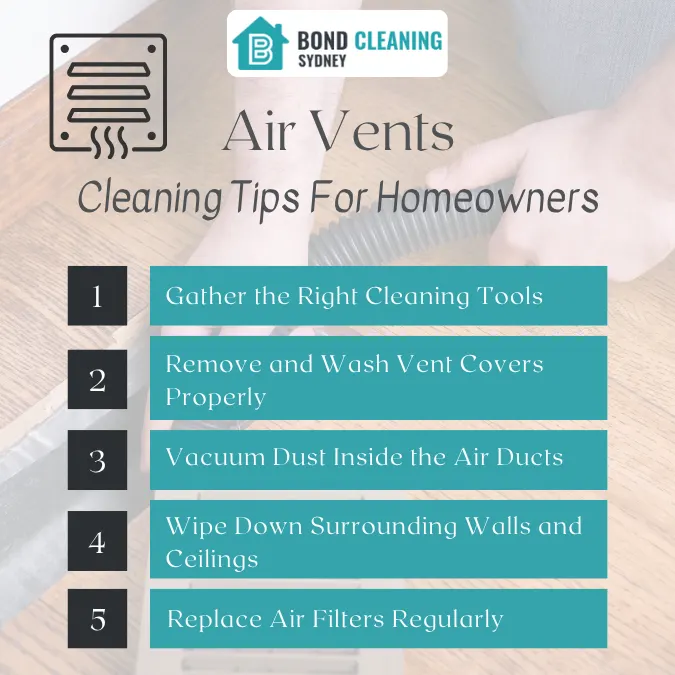
- Infographic: Air Vents Cleaning Tips For Homeowners
- Wrapping Up
1. Why Cleaning Air Vents Matters
Air vents constantly circulate air throughout your home. Along with airflow, they also spread dust, dirt particles, pollen, and bacteria. Over time, this buildup can trigger allergies, unpleasant odours, and poor air circulation. Dirty vents may even force your HVAC system to work harder, increasing energy usage and utility bills.
Keeping vents clean improves indoor air quality and helps maintain a cleaner living environment. It also reduces the amount of dust settling on furniture and floors. Whether you are preparing for guests, improving home hygiene, or handling end of lease cleaning Sydney tasks, clean vents can make a noticeable difference.
2. Gather the Right Cleaning Tools
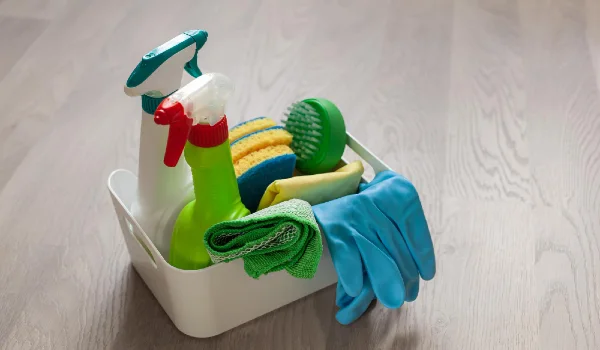
Before starting, collect all the essential cleaning supplies to make the process easier and more effective. Using the right tools prevents damage and helps remove hidden dust properly.
Here are some useful items you may need:
- Vacuum cleaner with brush attachment
- Microfiber cloths
- Soft bristle brush or old toothbrush
- Warm soapy water
- Screwdriver
- Dust mask and gloves
- Small cleaning brush or paintbrush
3. Remove and Wash Vent Covers Properly
Start by switching off your heating or cooling system before cleaning. Carefully remove the vent covers using a screwdriver if needed. Once removed, inspect them for dust buildup, grease stains or mould spots.
Wash the vent covers in warm soapy water and scrub gently with a soft brush. This helps loosen stubborn dirt, without scratching the surface. After cleaning, rinse them thoroughly and let them dry completely before reinstalling them. Clean vent covers instantly improve the appearance of your rooms and support better airflow.
4. Vacuum Dust Inside the Air Ducts
After removing the covers, use a vacuum cleaner with a hose attachment to clean inside the ducts. Focus on removing loose dust, pet hair, cobwebs and debris near the openings. Even a few minutes of vacuuming can significantly reduce dust circulation inside your home.
Avoid pushing dirt deeper into the ducts while cleaning. Use slow and careful movements to lift debris effectively. If you notice excessive mould, pests or strong odours inside the ducts, it may be best to contact professionals for deeper cleaning services.
5. Wipe Down Surrounding Walls and Ceilings
Air vents often leave dust marks on nearby walls and ceilings. Once the vents are clean; wipe the surrounding areas using a damp microfiber cloth. This removes dirt streaks and prevents dust from spreading back into the vents.
Pay extra attention to kitchen and bathroom vents because grease and moisture can attract more grime in these areas. Keeping the surrounding surfaces clean also improves the overall appearance of your home, especially during inspections or property handovers.
6. Replace Air Filters Regularly
Cleaning vents alone is not enough if the air filters remain clogged. Dirty filters reduce airflow and allow dust to circulate through the house. Experts generally recommend replacing filters every one to three months, depending on usage, pets and household conditions.
Fresh air filters help maintain cleaner vents for longer periods. They also improve HVAC efficiency and support healthier indoor air. This simple habit can reduce future cleaning efforts and help maintain a dust free environment.
7. Prevent Dust Build Up in the Future
Once your vents are clean; a few simple habits can help keep them that way. Regular maintenance prevents excessive dirt accumulation and improves airflow throughout the house.
Here are some easy prevention tips:
- Vacuum floors and carpets frequently
- Keep windows closed during dusty weather.
- Dust furniture regularly
- Groom pets to reduce shedding
- Schedule HVAC maintenance annually
- Change filters on time
8. When to Call Professional Cleaners
While DIY vent cleaning works well for regular maintenance, some situations require professional help. If your vents have mould growth, pest infestations or excessive dirt deep inside the ducts, trained experts can handle the job safely and effectively.
Professional cleaners use specialised equipment to clean hidden areas thoroughly. Many companies offering end of lease cleaning Sydney services also provide detailed vent and duct cleaning to help tenants leave the property spotless. This can improve inspection outcomes and save valuable time during busy moving periods.
Infographic: Air Vents Cleaning Tips For Homeowners
Wrapping Up
Cleaning air vents is an important part of maintaining a healthy and comfortable home. Dust free vents improve airflow, reduce allergens and help your cooling systems work efficiently. With basic tools and regular maintenance; homeowners can easily clean vents like professionals without much hassle. A little effort today can improve indoor air quality and create a healthier environment for the long run.