


Guide To End Of Lease Cleaning In High Rise Apartments
Did you know that tenants in high rise apartments are more likely to lose part of their bond over balcony grime and window streaks than any other cleaning issue? These often overlooked surfaces collect dust, pollution and salt residue far more quickly than ground level homes. Add tricky access points and strict building managers into the mix, and it’s easy to see why many renters get caught out during final inspections.
In this guide, you’ll learn exactly how to avoid those pitfalls with practical, high rise specific cleaning advice that helps you leave your apartment inspection ready. As a quick summary, this article outlines the essential steps, common challenges and expert tips needed to ensure a smooth and stress free move out. And to help renters compare there is a brief note on choosing the right professional end of lease cleaning Sydney service, to make thing easier.
- Understanding Cleaning Challenges of High Rise Living
- Preparing Your Apartment Before You Begin
- Tackling High Rise Balcony and Window Cleaning
- Deep Cleaning the Kitchen, Bathroom and Living Areas
- Handling Carpets, Fixtures and Hidden Spots
- Carefully Remove Mould From Walls and Ceiling
- When to Consider Professional End of Lease Cleaning
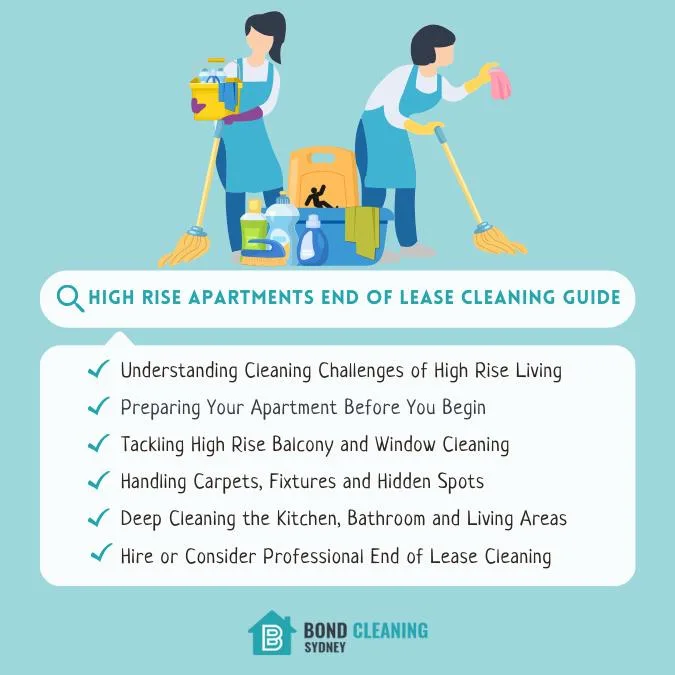
- Infographic For High Rise Apartments End Of Lease Cleaning Guide
- Wrapping Up
1. Understanding Cleaning Challenges of High Rise Living
High rise apartments come with their own challenges at end of lease time. Balconies, windows and entryways are exposed to harsher conditions: coastal winds, pollution and airborne dust, so they tend to collect grime much faster than ground level homes. Because space is tighter, it’s also harder to shift furniture or reach tricky corners, which means hidden dirt often goes unnoticed until you’re ready to move out.
Another unique challenge is the level of scrutiny from building management. Many high rise complexes have detailed move out checklists, covering everything from air vents to skirting boards. Lift bookings, loading dock schedules and noise regulations, can all add to the complication. Understanding these elements early on, allows you to arrange your cleaning schedule, more successfully and minimise last minute stress.
2. Preparing Your Apartment Before You Begin
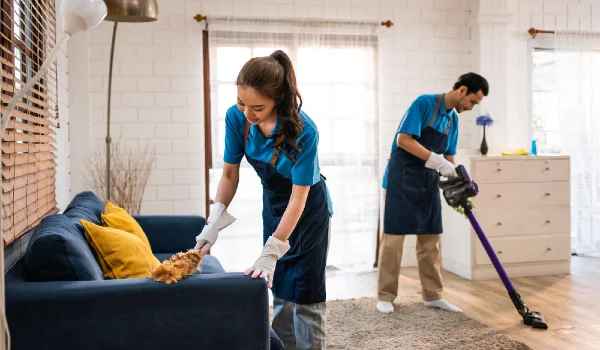
Preparation is required, before to beginning any cleaning work. Begin by organising and packing up, nonessential items. A cleared environment, allows you to clean more efficiently, access hidden corners, and discover damage that may require repair. If possible, have at least 80 per cent of your belongings packed before the main clean. This avoids double handling and gives you a clear visual of what still needs attention.
Next, photograph the apartment’s condition. This is especially useful, if you are concerned about disputes later. Keep your entry condition report accessible and compare, the unit’s initial state to its current condition, to ensure you are fulfilling the required standards. You should also notify your neighbours about your moving plans, as high rise units share walls and cleaning machinery especially vacuums or steam cleaners can echo through concrete corridors.
3. Tackling High Rise Balcony and Window Cleaning
Balconies are a common reason tenants lose part of their bond. High rise balconies accumulate soot, bird droppings, airborne particles and salt spray that can stain tiles and rust fixtures. Begin by sweeping and thoroughly washing the tiles, then scrub them, with a light detergent solution. Pay close attention to corners, sliding door tracks and drainage holes, as these collect grime and are examined, during inspections.
Windows in high rise apartments, can be challenging, especially if only the interior surfaces are accessible. Clean the interior glass with a streak free solution and microfibre cloth, also wiping the window frames, sills and tracks. For externally inaccessible windows, check your building’s guidelines, some complexes include annual professional window cleans, meaning you’re not responsible for exterior glass. If that’s so, reference this during inspection to avoid unfair charges.
4. Deep Cleaning the Kitchen, Bathroom and Living Areas
The kitchen and bathroom typically require the most time and attention. Start with the oven. Property managers often check this first. Use a suitable oven cleaner or baking soda paste to remove grease from racks, trays and door seals. Don’t forget the rangehood filters; these accumulate oil quickly in small, enclosed kitchens common in high rise apartments. Dishwasher seals, splashbacks and cupboard interiors should also be cleaned thoroughly.
Bathrooms can be tricky thanks to moisture and limited ventilation. Make sure to scrub tiles, grout, taps, shower screens and drains thoroughly. Hard water stains may be more noticeable in high rise units, so use a descaling solution on showerheads and remove all soap scum from glass. In living areas and bedrooms, dust every surface skirting boards, vents, cupboard tops and ceiling fans. Vacuum carpets slowly in overlapping lines to pull out deep set dust, and steam clean, if your lease requires it.
5. Handling Carpets, Fixtures and Hidden Spots
Carpets in high rise apartments often hold more dust and allergens due to limited cross ventilation. If you’ve lived in the unit for several years, a professional steam clean may be necessary. Many tenancy agreements in Australia require this step, so check your lease to confirm compliance. Remove any stains using a suitable cleaning agent, but always test on a hidden spot first to prevent discoloration.
Light fixtures, power outlets, shades, and built in wardrobes require close attention. High rise blinds collect dust from outdoor winds, so wipe each slat individually. Check wardrobes for lint or detritus hidden beneath drawers or in sliding tracks, and clean any mirrors to remove fingerprints. This is the moment where many tenants rush, so take it carefully to avoid bond difficulties. If necessary, consider employing a local service who specialises in end of lease cleaning Sydney to undertake the detailed task.
6. Managing Rubbish, Recycling and Building Policies
Rubbish removal is another major challenge in high rise buildings. Chutes fill quickly during busy moving periods, and large items like furniture usually won’t fit. Plan ahead by booking the loading dock or bulk rubbish area, if your building has one. Many complexes also restrict what can be left in common areas, so check with your strata or concierge before disposing of anything.
Likewise, make sure you adhere to building noise restrictions while cleaning. Vacuuming late at night or early in the morning may breach building rules and disturb neighbours. If you’re clean involves heavy lifting or steam cleaning, schedule these tasks within acceptable hours to avoid conflict. Once rubbish is removed and surfaces are dried, do a final walk through with natural light wherever possible. This helps you catch missed spots that artificial lighting might hide.
7. When to Consider Professional End of Lease Cleaning
While many renters prefer to clean themselves, high rise residences can make the task physically tough and time consuming. Hiring specialists is a sensible alternative if you are short on time, have mobility challenges, or simply want peace of mind. They understand high rise inspection requirements and have the necessary equipment for severe balcony stains, vents, and floor to ceiling windows.
Good cleaners also provide satisfaction guarantees and will return if your agent notices anything missing. This eliminates the hassle of communicating with your property manager or scrambling for a last minute remedy. Because high rise units require precise, detailed work, hiring a trustworthy team, that offers full end of lease cleaning Sydney services may assist in ensuring, that everything satisfies inspection criteria the first time.
Infographic For High Rise Apartments End Of Lease Cleaning Guide
Wrapping Up
End of lease cleaning in a high rise apartment, does not have to be stressful. With proper planning, attention to detail and a grasp of the building’s specific cleaning problems, you may confidently meet inspection standards, and collect your bond. Whether you handle the job yourself or seek professional assistance, a thorough strategy assures a seamless changeover.